Boosting a post is not an ad strategy.
The boost button is built to be easy, not effective. Here's how to run a real Facebook and Instagram ad campaign with the same budget instead.
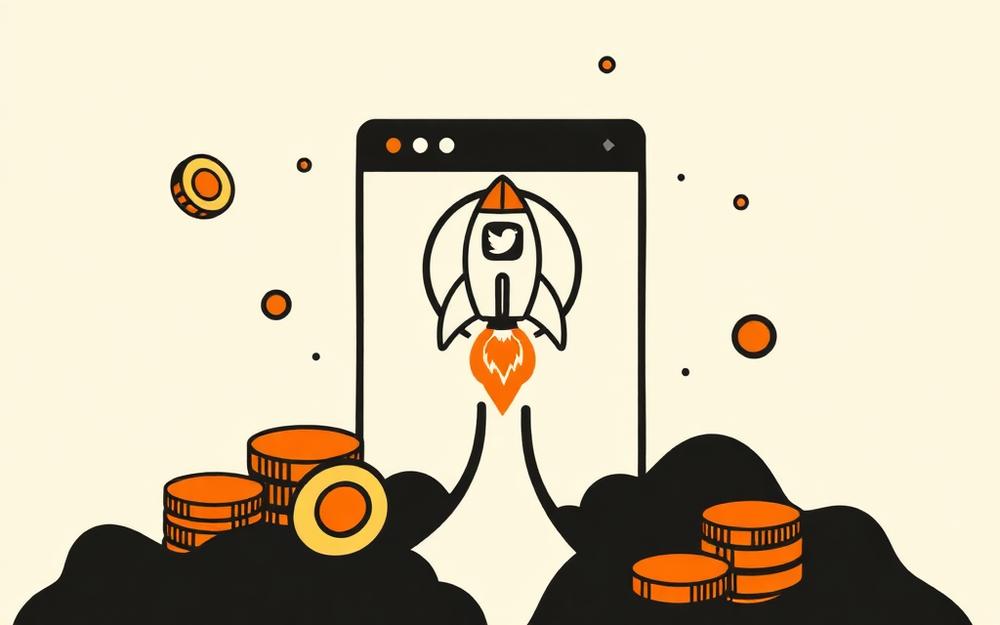
Boosting optimises for engagement, because engagement is what the button was built to sell. Likes on a post about your new van are not enquiries, and the two rarely correlate.
01 · Pick a real objective
Leads, calls, or purchases. Choose the outcome you'd actually invoice against and let the platform optimise for that, even if the numbers on screen look smaller and less flattering.
02 · Narrow the audience honestly
- Radius around where you'll actually travel to work.
- Exclude existing customers when you're prospecting.
- One audience per campaign so you can tell what worked.
If you can't say who the ad is for in one sentence, the targeting won't rescue it.
03 · Three ads, not one
Same offer, three angles: the problem, the proof, the price. Run them together for a fortnight, kill the two losers, and make two new variants of the winner. That loop is the whole job.
04 · Send them somewhere specific
An ad about emergency callouts should land on a page about emergency callouts, not your homepage. The mismatch is where most small budgets quietly die.
05 · Quick answers
- Is boosting a post ever worth it? Rarely for lead generation — it's built to sell engagement, not enquiries. Use Ads Manager instead, even for a small budget.
- How much should a small business spend on Facebook ads? Enough to get useful data — most local budgets do better on $20–30 a day against one tight audience than $5 a day spread wide.
- How long before I know if an ad is working? Give a campaign a full two weeks before judging it. Anything shorter and you're reading noise, not signal.
Site, blog posts, SEO plan, ad strategy and creative — live in seven days for a flat $499 plus $30 a month.
Start a project →